


Teenagers experimenting with alcohol may seem frightening, especially if they are becoming secretive about it. Although it is natural for teens to entertain their curiosity through trying new things, it does not make it any easier for caregivers. If your teen is not careful, they can become dependent on alcohol or even develop an addiction. It is essential to have an open dialogue and encourage your teen to engage in safe drinking should they want to.
Mental Health Care For Teens (13+)
Get expert help for your teen with Brightside. Therapy and psychiatry appointments available in as little as 2 days. Insurance accepted.
What Is Teenage Alcoholism?
Teenage alcoholism can develop if an adolescent develops an addiction to and dependency on alcohol. Alcoholism involves the over-consumption of alcohol and the inability to slow consumption or stop altogether.
Anyone at any age can develop Alcohol Use Disorder (AUD). Teens are more vulnerable to abusing substances, largely involving poor decision-making abilities, due to the prefrontal cortex in the brain not being fully developed until age 25.1
Why do Teens Drink Alcohol?
There are several reasons why teens pick up drinking and find it difficult to control. Contributing factors can include peer pressure, social media, and the inability to cope with life stressors. Although surface-level reasons such as peer pressure and glamorization of substances might lead teens to pick up their first drink, it is often a deeper issue that contributes to the inability to stop.
Warning Signs of Teen Alcohol Abuse
Recognizing warning signs of your teen abusing alcohol involves educating yourself on what to look out for. Some teenagers will be shockingly good at masking changes that are happening. However, with increased involvement in your child’s life, you’ll be able to notice these changes as they happen.
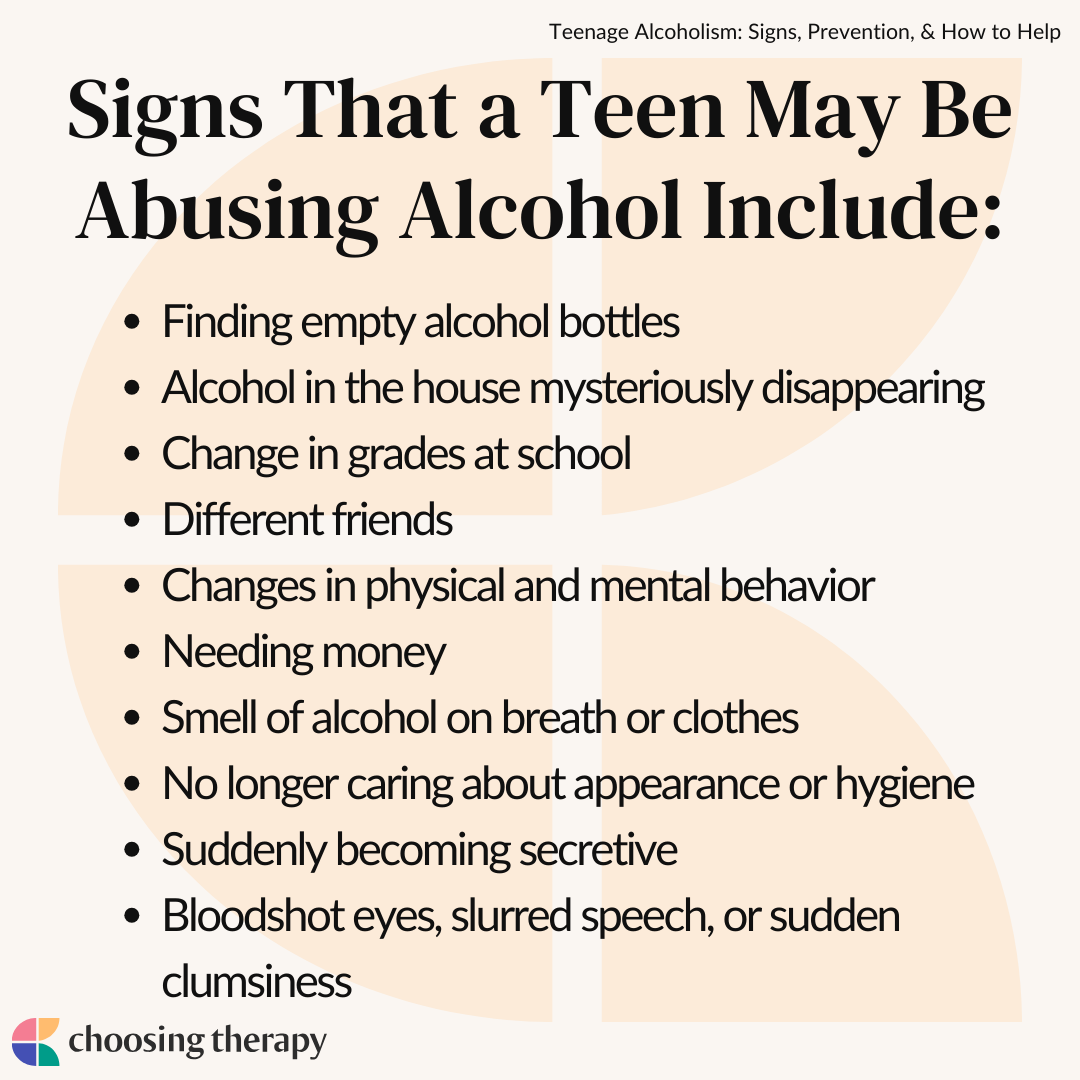
Signs that a teen may be abusing alcohol include:
Finding Empty Alcohol Bottles
Physical evidence being found either in the open or hidden is a common sign that your teen is drinking. Although this does not immediately indicate that your teen is suffering from addiction, it does warrant a conversation with them.
Alcohol in the House Mysteriously Disappearing
Since the legal age in the United States is 21 for drinking, it makes sense that teens turn to their parent’s liquor cabinet for their supply. Having alcohol accessible in the home will increase the chance of your teen stealing from you, as it is convenient and accessible. If you discover that your favorite drink has gone missing or has been diluted, sit down with your teen to figure out what is going on.
Change in Grades at School
Finding out that your student’s grades have dropped demonstrates a change in behavior and motivation. This can not only be an indicator of a potential substance use problem, but can also be a result of depression, anxiety, bullying, experiencing trauma, and more. Try to use an empathetic approach when bringing up a sudden drop in grades, as there can be a lot more going on than you think.
Different Friends
A sudden change in friend groups can sound alarms for parents, as it demonstrates that your teen is changing. Although change isn’t necessarily a bad thing, new friends can bring increased pressure to fit in. As peer pressure is a common factor in teens drinking, a different friend group can be worrisome.
Changes in Physical & Mental Behavior
Noticing a shift in your teen’s behavior can be confusing. Is this developmental? Is this appropriate for the age group they’re in currently? Should I be concerned? All of these questions are valid, and the fact you are noticing any change in the first place makes you a good parent. In active addiction, it is common for physical and mental changes to occur. It would be beneficial to have your teen speak with a therapist who can offer an outside perspective and validate your teen.
Needing Money
Now, your teen asking for some money here and there to go to the mall shouldn’t raise any red flags. However, if they are consistently asking and there is no evidence of what they spent the money on (such as a new top or pants), then this is cause for concern.
Smell of Alcohol on Breath or Clothes
Noticing a smell of alcohol coming from your teen is a dead giveaway that they have been drinking. If you have smelled alcohol on your teen in the morning or afternoon, a conversation involving their drinking habits will need to be had immediately.
No Longer Caring About Appearance or Hygiene
A lack of interest in preserving their appearance or maintaining proper hygiene practices is a major cause for concern, especially if this is not their norm. Many individuals who struggle with substances will begin to put hygiene and appearances on the back burner. This is due to increased feelings of depression, shame, disgust, lack of motivation, and more.
Suddenly Becoming Secretive
Having your teen not share every part of their life with you (although frustrating) is normal at this stage of their life. However, if you feel that the secrets and desperation to keep things from you are becoming excessive, it may be linked to substance use.
Bloodshot Eyes, Slurred Speech, or Sudden Clumsiness
Physical changes such as bloodshot eyes, slow or slurred speech, or unsteady gait are major warning signs, indicating substance misuse. It is important not to have a conversation concerning their drinking while your teen might be under the influence. Let them sober up before attempting to sit down and discuss their drinking.
Would Your Teenager Benefit From Therapy?
Therapy can help teenagers develop self-esteem and feel less overwhelmed by their emotions. Teen Counseling specializes in serving teens, and parents of teenagers. The services start at $65. Complete a brief questionnaire and a therapist will be suggested based on your answers.
Ways to Prevent Teen Alcoholism
Ensuring there is an open dialogue surrounding safe drinking will allow your teen to feel like they don’t have to hide their drinking habits. This will allow you, as the parent, to catch onto warning signs should they arise.
Ways to prevent teen alcoholism include:
- Open dialogue: Having frequent and informal conversations about safe drinking habits will allow your teen to feel they can talk to you about drinking.
- Connecting with your teen: Forming a loving and supportive relationship with your child will become a protective factor in preventing addiction.
- Making mental health a priority: Poor mental health and mental illness are contributing factors in the development of addiction. If you see your kid struggling, a great first step would be to connect them with a therapist.
Dangers of Teenage Alcoholism
Drinking to excess at a young age poses a significant risk to physical, mental, and emotional health. Not to mention, the cycle of addiction can interfere with the ability to engage with friends, academic performance, hobbies, and sports, and rob the individual from their teenage years.
Dangers of teenage alcoholism include:
- Physical consequences
- Mental health consequences
- Risky/dangerous behavior
- Decline in grades
- Interpersonal conflict
How to Talk to A Teen About Alcohol
Talking to a teen about alcohol might seem daunting. However, avoiding the topic will only increase the likelihood of abusing the substance. Allow yourself to have informal conversations with your teen about safe drinking, the dangers of drinking, the potential for addiction, and how to resist peer pressure. Creating a supportive and non-judgmental space for these conversations will encourage your teen to come to you in the future.
Treatment for Teenage Alcoholism
Learning how to navigate and support your child who is battling addiction can be exhausting. Many find researching the disease of addiction helpful, as it can provide you with insight and increase understanding. The most important thing to remind yourself is that your child did not choose this – addiction is a disease. Your child will have a better chance at recovery with strong family support.
Treatment options for teenage alcoholism include:
- Cognitive behavior therapy: CBT for substance use can help identify unhelpful patterns of thinking and how these result in undesirable behaviors.
- Detox: If you feel your teen is physically dependent on alcohol, a detox program can help them safely stop drinking while they are experiencing uncomfortable withdrawal symptoms.
- Residential Treatment: A program that occurs in a home-like environment to support healing and recovery from substance misuse.
- Partial Hospitalization Program (PHP): A day treatment option for those who need more intensive care than regular outpatient appointments. Programs vary from 5-7 days per week, and the individual returns home in the evening.
- Intensive Outpatient Program (IOP): Similar to PHP, however, is offered fewer days a week. This is a great option for those who have work or school commitments, but also need more support.
- Medication Management: Establishing care with a psychiatrist is a great option if you feel like mental health symptoms are driving the alcohol misuse.
Help for Alcohol Use
Ria Health: Effective, Evidence-Based Alcohol Treatment 100% Online Quickly change your relationship to alcohol with our at-home program. On average, Ria Health members reduce their BAC levels by 50% in 3 months in the program. Services are covered by many major health plans. Visit Ria Health
Want to drink less? Sunnyside helps you ease into mindful drinking at your own pace. Think lifestyle change, not a fad diet. Develop new daily routines, so you maintain your new habits for life. Take a 3 Minute Quiz
How to Help a Teen With Alcoholism
It is important to remind yourself that you can’t save your teen from this. They have to want recovery for themselves. However, you can offer support by paying for therapy, lending an ear to listen, and being there for them (both physically and emotionally). Be willing to have uncomfortable conversations, and don’t be scared to hold boundaries.
Supporting Recovery & Relapse Prevention
You can support your teen’s recovery journey by continuing to provide support – even if they have months or years of sobriety under their belt. Continue to encourage your teen to engage in relapse prevention, such as regularly attending AA meetings, working with a sponsor, and seeing their therapist. Engaging in aftercare services is relapse prevention and essential in maintaining long-term sobriety.
Consider lifestyle changes you need to make in your own life and if there are any environmental triggers in your home. Many parents choose to keep alcohol in the home no longer, and some choose to order a soda when going out to eat instead of an alcoholic beverage. Try to have a transparent conversation with your teen and ask them what will be most supportive for them.
When to Seek Professional Help
If you are noticing any of the warning signs mentioned earlier in this article, it is time to seek help from a licensed professional who specializes in substance use. If you are struggling with finding a good fit for a therapist, an online therapist directory or online therapy platform would be a good place for finding a therapist who specializes in alcohol use. If you feel like mental health symptoms are contributing to alcohol misuse, online psychiatrist options are great options for finding alcohol use medication management.
In My Experience
Supporting a loved one through addiction is incredibly exhausting, especially if that loved one is your child. As a therapist who works with those struggling through addiction daily, the only thing I can encourage you to do is keep trying. Even when it seems like they’ll never recover. Many parents jump to sending their child to Wilderness Therapy, but this is something I will never recommend. If you are considering this for your child, I urge you to research “Troubled Teen Industry” and read of the horrors and trauma experienced by teens. The best way you can support your teen through substance misuse involves being present physically, emotionally, and connecting them to an individual therapist who specializes in addiction.

Teenage Alcoholism Infographics
ChoosingTherapy.com strives to provide our readers with mental health content that is accurate and actionable. We have high standards for what can be cited within our articles. Acceptable sources include government agencies, universities and colleges, scholarly journals, industry and professional associations, and other high-integrity sources of mental health journalism. Learn more by reviewing our full editorial policy.
-
Arain, M., Haque, M., Johal, L., Mathur, P., Nel, W., Rais, A., Sandhu, R., & Sharma, S.
(2013). Maturation of the adolescent brain. Neuropsychiatric disease and
treatment, 9, 449–461. https://doi.org/10.2147/NDT.S39776

Your Voice Matters
Can't find what you're looking for?
Request an article! Tell ChoosingTherapy.com’s editorial team what questions you have about mental health, emotional wellness, relationships, and parenting. Our licensed therapists are just waiting to cover new topics you care about!
Leave your feedback for our editors.
Share your feedback on this article with our editors. If there’s something we missed or something we could improve on, we’d love to hear it.
Our writers and editors love compliments, too. :)
Additional Resources
To help our readers take the next step in their mental health journey, ChoosingTherapy.com has partnered with leaders in mental health and wellness. ChoosingTherapy.com is compensated for marketing by the companies included below.
Mental Health Care For Teens (13+)
Brightside – Get expert help for your teen with Brightside. Therapy and psychiatry appointments available in as little as 2 days. Insurance accepted. Take a Free Assessment.
Online Therapy
TeenCounseling (ages 13 -19) – Help your child thrive with professional counseling. Get matched with a licensed therapist who specializes in teens. Discuss your child’s issues and situation. When you approve, the therapist is connected with your child. The therapist interacts with your child over text, phone, and video. Starting for as little as $65 per week. Get Started
Eating Disorders and Teenagers
Equip – Worried your child might have an eating disorder? It can be overwhelming when your child is showing eating disorder red flags, but you can help. In fact, your help may be critical to getting them the right treatment. Learn more about the signs of eating disorders and what to do if you’re concerned. Explore Equip’s free guide.
ChoosingTherapy.com Directory
Find local therapists that offer online and in-person therapy. Search for therapists by specialty, experience, insurance, and location. Find a therapist near you.
Newsletter on Teen Mental Health
A free newsletter for those interested in helping teens overcome mental health issues and live happier lives. Get helpful tips and the latest information. Sign Up

Best Options for Online Therapy for Teens
With so many truly amazing online therapy options for teens, choosing one can be difficult. Some of the most important factors to consider before selecting a company are your budget, who takes your insurance, which ones can answer your questions, and most importantly, who your teen likes the best. Supporting and listening to your teen is crucial for a successful therapy experience.

Best Online Therapy Services
There are a number of factors to consider when trying to determine which online therapy platform is going to be the best fit for you. It’s important to be mindful of what each platform costs, the services they provide you with, their providers’ training and level of expertise, and several other important criteria.
