


Sleep eating disorder (SED) is a sleep disorder that involves engaging in unusual eating behaviors while asleep. People with SED sleepwalk and eat without remembering that they ate afterward. Episodes can occur nightly or multiple times per night. This condition often coincides with other sleep disorders like sleep apnea, periodic limb movement disorder, and restless legs syndrome.1
Would You Like to Try Therapy?
BetterHelp has over 30,000 licensed therapists who provide convenient and affordable online therapy. BetterHelp starts at $65 per week and is FSA/HSA eligible by most providers. Take a free online assessment and get matched with the right therapist for you.
What Is Sleep Eating Disorder (SED)?
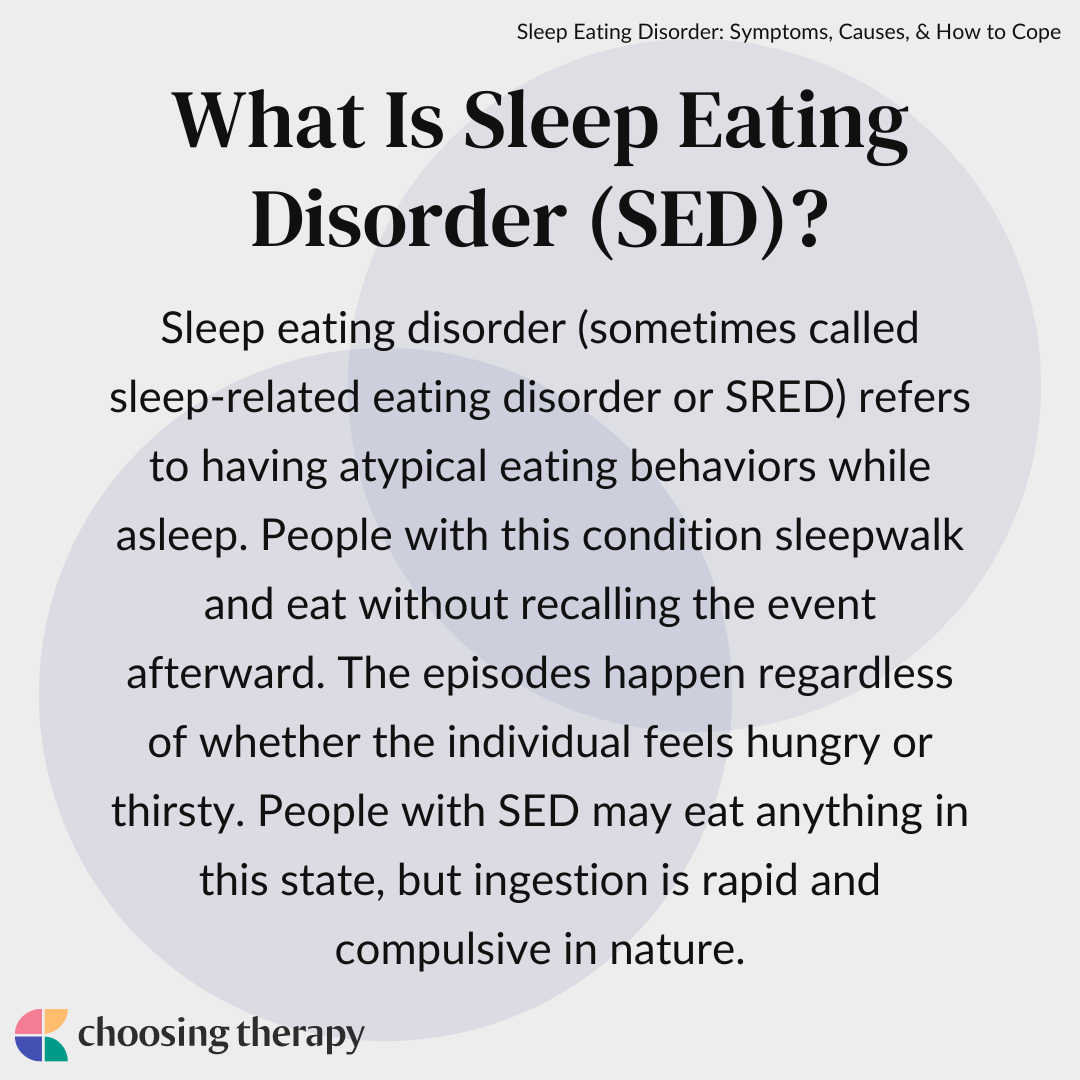
Sleep eating disorder (sometimes called sleep-related eating disorder or SRED) refers to having atypical eating behaviors while asleep. People with this condition sleepwalk and eat without recalling the event afterward. The episodes happen regardless of whether the individual feels hungry or thirsty. People with SED may eat anything in this state, but ingestion is rapid and compulsive in nature.2
Sleep-eating behaviors fall within a parasomnia diagnosis. Parasomnia refers to the state that exists between sleep and wakefulness. People may appear to be alert, walking, or eating, but they lack awareness because their brain is only somewhat awake. Parasomnia behaviors can include eating, talking, and walking. People with SED exhibit binge eating behaviors while half-asleep.3
Sleep Eating Disorder Vs. Night Eating Syndrome
Both sleep eating disorder and night eating syndrome refer to sleep-related eating habits. However, it’s important to be mindful of the distinct differences between these two conditions. SED entails ongoing patterns of eating during non-rapid eye movement sleep. In this state, the person is not conscious of how or what they are eating.
The DSM currently classifies night eating syndrome (NES) within the eating disorder diagnosis of other specified feeding or eating disorder (OSFED).4 People with night eating syndrome tend to wake up and consume a large amount of food (25% or more of their daily caloric intake). They will then experience problems falling or staying asleep after eating.5
Symptoms of Sleep Eating Disorder
Sleep eating disorder results in people eating at night while they’re asleep without remembering how, when, or what they consumed. Upon waking up, they may only realize they ate based on specific evidence (food missing, wrappers in the trash, others telling them they ate) or based on how they physically feel.
Unlike eating disorders, the behaviors exhibited during these episodes are not intentional, as the person is not conscious of what they are doing. However, some people with this condition have histories or co-occurring issues with eating disorders or disordered eating. People with sleep eating disorder also tend to have general sleep disturbances, including sleepwalking, narcolepsy, sleep apnea, and restless legs syndrome.
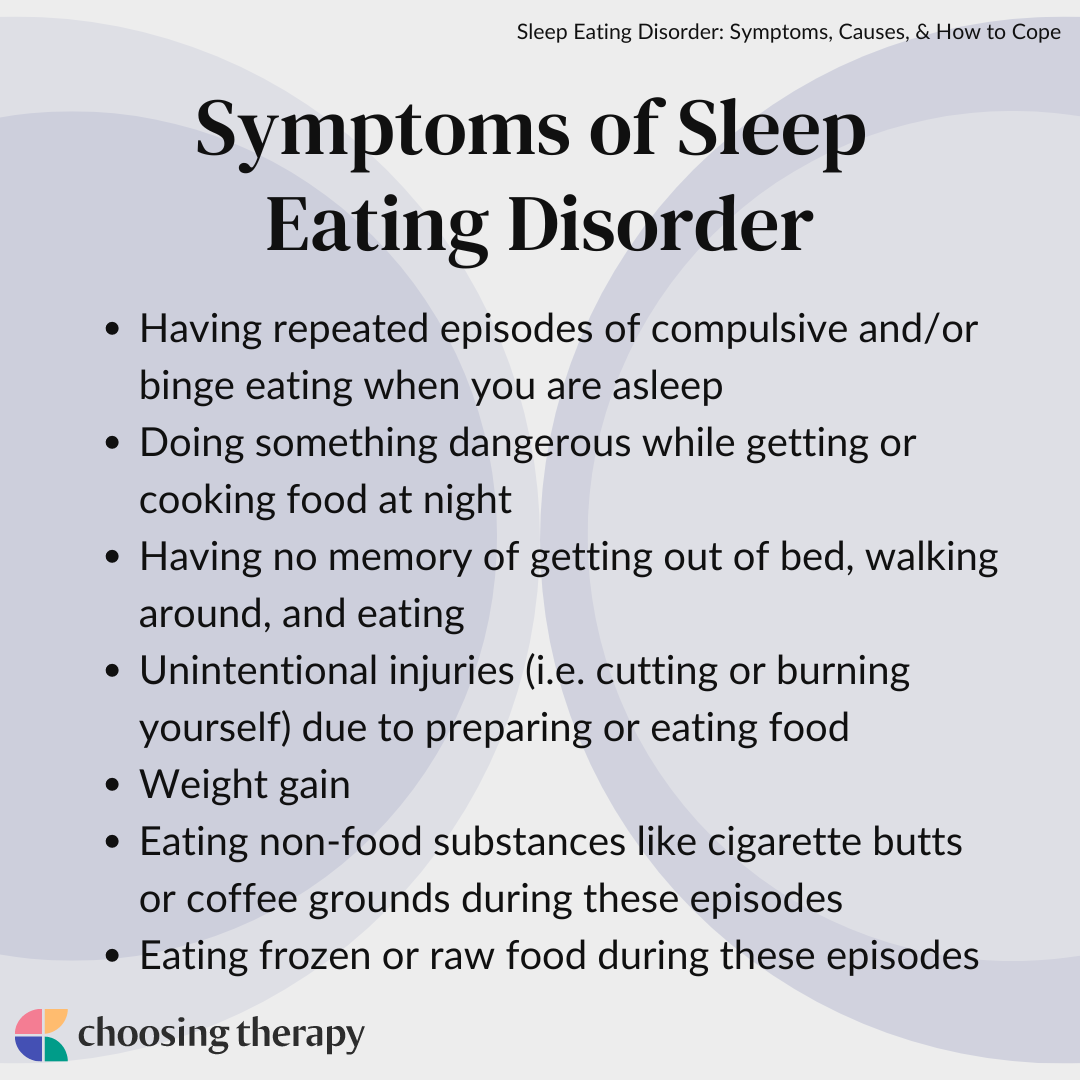
Common symptoms of sleep eating disorder include:
- Having repeated episodes of compulsive and/or binge eating when you are asleep
- Doing something dangerous while getting or cooking food at night
- Having no memory of getting out of bed, walking around, and eating
- Unintentional injuries (i.e. cutting or burning yourself) due to preparing or eating food
- Weight gain
- Eating non-food substances like cigarette butts or coffee grounds during these episodes
- Eating frozen or raw food during these episodes
Causes of Sleep Eating Disorder
Experts have not identified a single cause of sleep eating disorder. However, they have identified several biological and environmental causes that may contribute to its development. Stress, recent sobriety from drugs or alcohol, and dieting behaviors during the day may cause sleep eating. Some medications, including antipsychotics and any that cause a sedative effect, can also be a cause.6 Similarly, certain medical conditions like hepatitis and encephalitis are associated with this condition.1
Research shows that women are more likely to have this condition than men, with the average onset occurring between 22-29 years old. There is a high comorbidity between sleep eating disorder and other sleep disorders. Studies show that more than half of people with sleep eating disorder exhibit another parasomnia (usually sleepwalking as a child) before sleep eating begins.1
Risk Factors for Sleep Eating Disorder
The exact prevalence of sleep eating disorder is unknown. However, some research shows that about 0.5% of patients referred to sleep disorder clinics meet the criteria for this condition, although this rate is significantly higher among those with eating disorders and depression. As mentioned, this condition is more predominant in women than men.8
Most people with sleep eating disorder have a history of sleepwalking, with one study connecting that SED is associated with sleepwalking in 84% of all cases. Sporadic instances of SED have been connected to certain sedatives, tricyclic antidepressants, lithium, risperidone, and olanzapine.8 Episodes are more likely to occur when someone doesn’t get enough sleep or high-quality sleep.
Other sleep disorders commonly linked to sleep eating disorder include:
- Restless legs syndrome
- Sleep apnea
- Sleepwalking
- Narcolepsy
- Periodic limb movement disorder
- Insomnia
Other factors that may lead to the development of sleep eating disorder include:
- Certain medications
- Ending a smoking habit
- Anxiety symptoms
- Dieting behaviors during the day
- Being related to someone who sleepwalks
- Daytime fatigue
- Snoring at night
- Depression symptoms
- History of substance abuse
- Chronic stress
Impacts of Sleep Eating Disorder
SED can significantly affect someone’s physical and/or emotional health. Chronic episodes of overeating or binge eating are associated with weight gain, obesity, high blood pressure, and high cholesterol. This can heighten the risk of health conditions like heart disease, type 2 diabetes, certain types of cancers, arthritis, and gallbladder diseases.7
Similarly, SED can impact someone’s emotional well-being. It may coincide with themes of shame, guilt, fear, or embarrassment. It may also heighten symptoms of depression or anxiety. Sleep eating may also lead to binge eating disorder or bulimia nervosa, as disrupted sleep patterns and chronic fatigue can increase the risk of binge eating behaviors during the day.
Sleep Eating Disorder Diagnosis
Sleep eating symptoms fall under the umbrella term of parasomnia, which is a mental health condition characterized by atypical sleep behaviors associated with falling or being asleep. All behaviors exist on a spectrum in terms of frequency and intensity. Sleep disorders are distinguished as either REM-related or NON-REM-related, and sleepwalking and sleep eating fall under the NON-REM-related category.
A doctor will typically diagnose parasomnia based on someone’s specific sleep symptoms and medical history. You may be asked to maintain a sleep diary for a few weeks or engage in a formal sleep study (polysomnogram) to rule out other sleep disorders. Sometimes people start with a preliminary self-diagnosis, which can be helpful if loved ones have observed your habits while you are asleep.
Sleep Eating Disorder Treatments
Treatment for sleep eating disorder may include a combination of behavioral, psychiatric, and lifestyle interventions. It is important for anyone with sleep issues to focus on strengthening their sleep hygiene. This means adhering to a consistent sleep schedule, sleeping in a comfortable environment, and trying to mitigate stress before going to bed.
Effective treatments for SED may include:
Medications & Medical Interventions
Certain pharmacological treatments may be recommended to help reduce or even eliminate sleep eating disorder symptoms. Benzodiazepines and antidepressants tend to be the most commonly prescribed drugs for parasomnia.9 Off-label medications, like Trazodone or Topamax, may also be considered. People may also use natural aids like melatonin to promote better sleep.
Therapy
People with parasomnia may benefit from engaging in professional therapy. Specific therapeutic interventions will vary based on your presenting symptoms. However, SED can generally be treated through some combination of CBT, mindfulness exercises, hypnosis, and overall stress reduction strategies. Therapy may be either short-term or long-term based on your symptoms and responsiveness to treatment.
Possible therapeutic treatments for SED include:
- Cognitive behavioral therapy (CBT): CBT may help treat SED symptoms by helping people change negative thoughts and better understand the relationship between their thoughts, feelings, and emotions. This can also promote better sleep hygiene.
- Cognitive behavioral therapy for insomnia (CBT-I): CBT-I implements CBT interventions to target insomnia symptoms. This may be helpful for people who have co-occurring SED with insomnia.
- Hypnotherapy: Hypnotherapy may be beneficial for decreasing symptoms of anxiety or depression. This, in turn, can improve the quality of sleep.
- EMDR for sleep: EMDR can also treat insomnia or other sleep-related disturbances. This may promote better sleep, which can reduce SED symptoms.
- Mindfulness-based cognitive therapy (MCBT): MCBT blends mindfulness interventions with traditional CBT techniques. This can help people feel more relaxed and sleep better at night.
Coping Strategies for Managing Sleep Eating Disorder
In addition to medication or therapeutic treatment, it’s equally important to consider implementing various lifestyle adjustments to manage sleep eating disorder. Identifying triggers, practicing stress management, and addressing any underlying physical issues can be a preliminary step toward creating your coping plan. It can also be helpful to let loved ones know what’s going on, so they can support your treatment efforts.
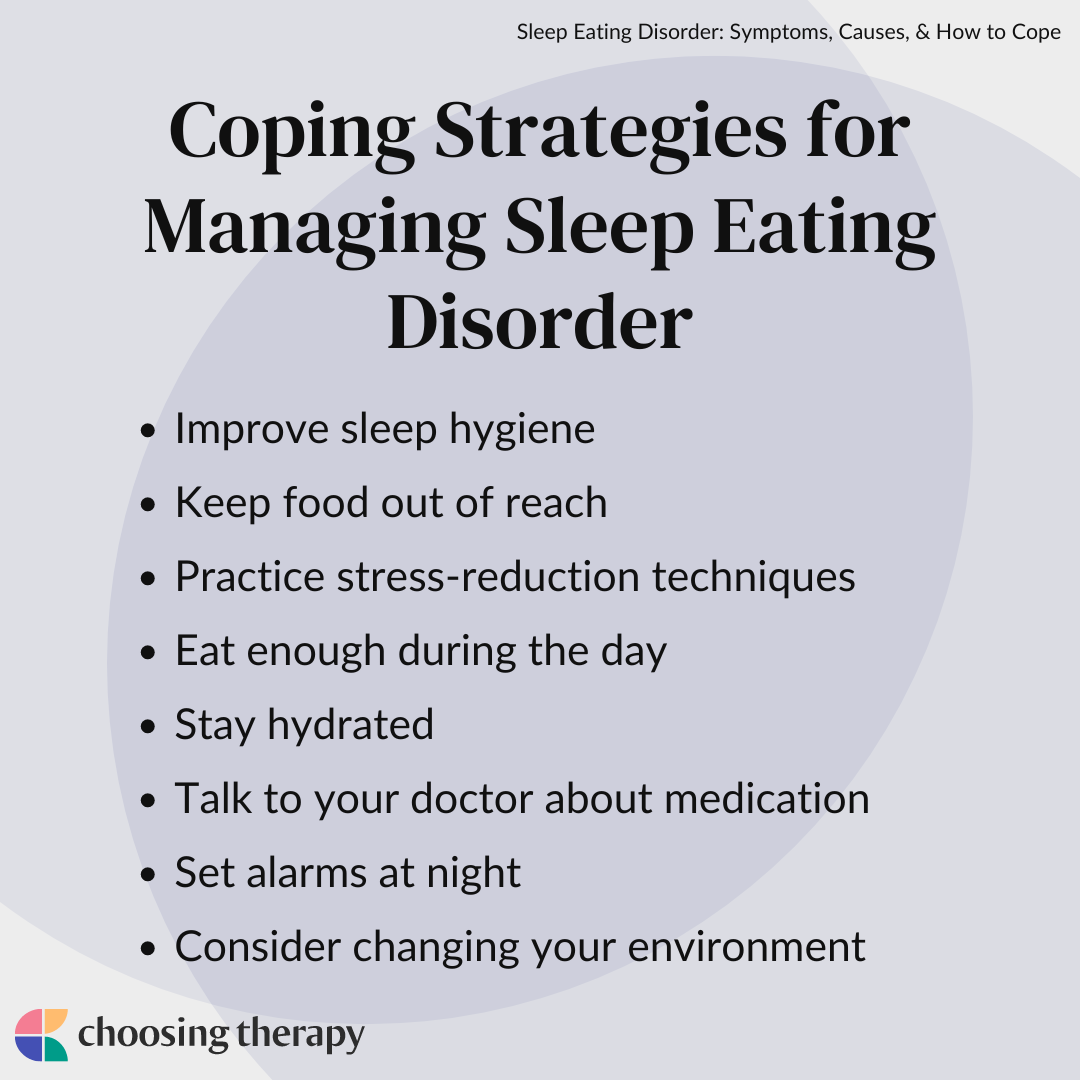
Strategies to manage SED at home include:
- Improve sleep hygiene: Maintaining a regular sleep schedule and developing good sleep hygiene can help regulate your natural circadian rhythms. This may decrease the likelihood of engaging in sleep eating.
- Keep food out of reach: Removing or limiting access to food makes it harder to eat at night. It may be helpful to enlist loved ones to help support you with this intervention.
- Practice stress-reduction techniques: Using stress-reduction techniques such as meditation, yoga, or deep breathing before bedtime may promote better sleep. This can also reduce the likelihood of SED symptoms.
- Eat enough during the day: Sometimes SED results from food restriction during the day. It’s important to prioritize eating balanced meals and snacks to maintain regulated hunger levels.
- Stay hydrated: It’s also helpful to prioritize drinking enough water throughout the day. Doing so also supports appetite regulation, which could mitigate SED episodes.
- Talk to your doctor about medication: Some psychiatric medications or sleep aids may exacerbate sleep-eating symptoms. If you’re concerned about this, check in with your doctor.
- Set alarms at night: It may be helpful to periodically wake yourself up at times when you normally engage in sleep eating. Waking up can interrupt the cycle.
- Consider changing your environment: Some people find it helpful to use locks on their cabinets or refrigerators. Or, they may use baby gates to get in and out of their bedroom as barriers that can support them to wake up.
When to Seek Professional Help for Sleep Eating Disorder
Sleep eating disorder symptoms can be difficult to manage, particularly if they are chronic and longstanding. You may benefit from working with a therapist who specializes in parasomnia. Ensure that they have experience treating this particular condition. You can narrow down provider options through our online therapist directory, or consider an online eating disorder treatment program, like Within Health.
Top Rated Online Therapy Services
BetterHelp – Best Overall
“BetterHelp is an online therapy platform that quickly connects you with a licensed counselor or therapist and earned 4 out of 5 stars.” Take a free assessment
Online-Therapy.com – Great Alternative
In addition to therapy, all Online-Therapy subscriptions include a self-guided CBT course. Visit Online-Therapy.com
In My Experience
“Many clients come to therapy with sleep-related issues, and sleep eating is just one of those concerns. In my experience, clients often encounter some form of shame, anxiety, or confusion around this pattern. However, therapy can help you understand more about what’s going on and offer you support to improve your symptoms. The good news is that your outlook can be quite positive, and the right treatment can make a tremendous difference in your quality of sleep.”

ChoosingTherapy.com strives to provide our readers with mental health content that is accurate and actionable. We have high standards for what can be cited within our articles. Acceptable sources include government agencies, universities and colleges, scholarly journals, industry and professional associations, and other high-integrity sources of mental health journalism. Learn more by reviewing our full editorial policy.
-
What is sleep eating disorder? (2020, September). AASM Sleep Education. Retrieved from: https://sleepeducation.org/sleep-disorders/sleep-eating-disorder/#what-is-sleep-eating-disorder)
-
Chapter 37- Sleep-related eating disorder(2011). ScienceDirect. Retrieved from: https://www.sciencedirect.com/science/article/abs/pii/B978044452006700037X.
-
Parasomnias. YaleMedicine. Retrieved from: https://www.yalemedicine.org/conditions/parasomnias#:~:text=Parasomnias%20occur%20in%20a%20state,brain%20is%20only%20partially%20awake.
-
Night Eating Syndrome in Patients With Obesity and Binge Eating Disorder: A Systematic Review (2021). National Library of Medicine. Retrieved from: https://www.ncbi.nlm.nih.gov/pmc/articles/PMC8766715/.
-
Night Eating Syndrome (2022, September). National Library of Medicine. Retrieved from: https://www.ncbi.nlm.nih.gov/books/NBK585047/#:~:text=Night%20eating%20syndrome%20is%20a,population%20of%20the%20United%20States.
-
Auger R. R. (2006). Sleep-related eating disorders. Psychiatry (Edgmont (Pa. : Township)), 3(11), 64–70. https://www.ncbi.nlm.nih.gov/pmc/articles/PMC2945843/
-
Sleep-related eating disorder and its associated conditions (2014, December). Wiley Online Library. Retrieved from: https://onlinelibrary.wiley.com/doi/10.1111/pcn.12263.
-
5 Very Real Dangers of Binge Eating (2018, January). Keck Medicine of USC. Retrieved from: https://www.keckmedicine.org/blog/5-very-real-dangers-of-binge-eating/.
-
Drugs Used in Parasomnia (2018, March). National Library of Medicine. Retrieved from: https://pubmed.ncbi.nlm.nih.gov/29759270/.

Your Voice Matters
Can't find what you're looking for?
Request an article! Tell ChoosingTherapy.com’s editorial team what questions you have about mental health, emotional wellness, relationships, and parenting. Our licensed therapists are just waiting to cover new topics you care about!
Leave your feedback for our editors.
Share your feedback on this article with our editors. If there’s something we missed or something we could improve on, we’d love to hear it.
Our writers and editors love compliments, too. :)
Sleep Eating Disorder Infographics
Additional Resources
To help our readers take the next step in their mental health journey, ChoosingTherapy.com has partnered with leaders in mental health and wellness. ChoosingTherapy.com is compensated for marketing by the companies included below.
Online Therapy
BetterHelp Get support and guidance from a licensed therapist. BetterHelp has over 30,000 therapists, who provide convenient and affordable online therapy. BetterHelp starts at $65 per week and is FSA/HSA eligible by most providers. Take a Free Online Assessment and get matched with the right therapist for you. Take free assessment
Psychiatry, with You in Mind
Talkiatry Our psychiatrists can diagnose your condition, prescribe medication, and monitor your progress. Most psychiatry visits cost patients $30 or less* Free Assessment
Drinking Moderation
Sunnyside Want to drink less? Sunnyside helps you ease into mindful drinking at your own pace. Think lifestyle change, not a fad diet. Develop new daily routines, so you maintain your new habits for life. Take a 3 Minute Quiz
Mental Health Newsletter
A free newsletter from the experts at ChoosingTherapy.com for those interested in mental health, therapy, and fighting stigma. Sent twice weekly. Sign Up
ChoosingTherapy.com Directory
Find local therapists that offer online and in-person therapy. Search for therapists by specialty, experience, insurance, and location. Find a therapist near you.
*Includes copayment, deductible, coinsurance, and $0 Visits. Excludes no shows.
Stories You Might Like

Best Online Therapy Services
There are a number of factors to consider when trying to determine which online therapy platform is going to be the best fit for you. It’s important to be mindful of what each platform costs, the services they provide you with, their providers’ training and level of expertise, and several other important criteria.
Best Online Psychiatry Services
Online psychiatry, sometimes called telepsychiatry, platforms offer medication management by phone, video, or secure messaging for a variety of mental health conditions. In some cases, online psychiatry may be more affordable than seeing an in-person provider. Mental health treatment has expanded to include many online psychiatry and therapy services. With so many choices, it can feel overwhelming to find the one that is right for you.